
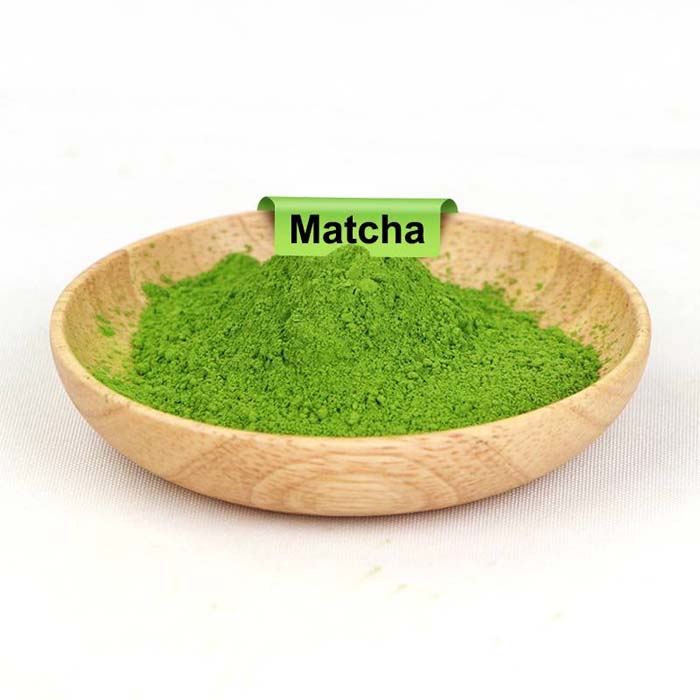




















Matcha has emerged as one of the most profitable specialty beverages in the café industry, with profit margins often exceeding 75% when properly priced and costed. However, many café owners fail to maximize their matcha drink profitability due to inaccurate costing or suboptimal pricing strategies. This comprehensive guide will walk you through the essential steps to transform your matcha offerings into high-margin revenue generators.
The Profit Potential of Matcha in Your Café
Unlike traditional coffee beverages, matcha offers several unique advantages for maximizing café profits:
- Premium Perception: Customers perceive matcha as a premium, health-conscious product, allowing for higher price points compared to regular coffee drinks.
- Lower Ingredient Costs: When calculated correctly, matcha cost per serving is often lower than specialty coffee drinks, especially when using the appropriate grade for each application.
- Versatility: Matcha can be incorporated into multiple menu items—from lattes and smoothies to baked goods—increasing overall sales potential.
- Health Appeal: The antioxidant properties and health benefits of matcha attract health-conscious consumers willing to pay premium prices.
Step-by-Step Matcha Costing for Maximum Profit
1 Calculate Your Exact Ingredient Costs
Accurate costing begins with understanding every component of your matcha drinks:
Matcha Powder Cost
Calculate: (Cost per gram ÷ Serving size in grams) = Matcha cost per drink
Example: $50 for 100g ÷ 2.5g serving = $0.50 per drink
Milk & Sweetener Costs
Include dairy/plant milk, sweeteners (honey, syrup, sugar), and any additional flavorings or toppings.
Typical range: $0.15-$0.35 per drink
Packaging & Labor
Don't forget cup/lid costs, sleeve, straw, and labor for preparation (typically 2-3 minutes at your labor rate).
Total ancillary costs: $0.30-$0.50
Key Insight: Your total matcha beverage costing should typically range between $0.80 and $1.45 per drink, leaving substantial room for profitability even at competitive price points.
2 Set Optimal Pricing Using Industry-Proven Formulas
Once you know your costs, apply these proven matcha pricing strategies for cafés:
| Pricing Strategy | Formula | Example Matcha Latte | Profit Margin |
|---|---|---|---|
| Cost-Plus Pricing | Cost × (1 + Desired Margin) | $1.20 cost × 2.5 = $3.00 | 60% |
| Competitive Pricing | Market Average ± Differentiation | Market: $5.00 → Price: $5.25 (premium) | 76% |
| Value-Based Pricing | Price based on perceived value | Premium matcha experience: $6.50 | 82% |
| Tiered Pricing | Different prices for different sizes/options | Regular: $4.75, Large: $5.75, Premium: $6.50 | 68-85% |
Recommended Approach: For most cafés, a hybrid strategy works best. Start with competitive benchmarking, then adjust based on your cost-plus calculation, and finally apply value-based adjustments for premium offerings.
Advanced Strategies to Boost Matcha Profitability
1. Menu Engineering for Matcha
Strategically place matcha drinks in high-visibility menu areas. Use descriptive, benefit-focused language ("Antioxidant-Rich," "Calming Energy") to justify premium pricing. Create matcha drink bundles and combos to increase average transaction value.
2. Upselling & Cross-Selling
Train staff on matcha upselling techniques: "Would you like to make that a large matcha latte for just $1 more?" or "Our premium ceremonial grade matcha is only $1.50 extra." Pair matcha drinks with complementary items like matcha cookies or energy balls.
3. Seasonal & Limited Editions
Create seasonal matcha variations (pumpkin spice matcha, peppermint matcha) that command $0.75-$1.50 price premiums. Limited-time offerings create urgency and encourage trial among regular customers looking for something new.
4. Reduce Waste & Optimize Inventory
Implement precise measuring tools (gram scales) to ensure consistent serving sizes. Store matcha properly to extend shelf life. Use culinary grade for baking and cooking applications while reserving ceremonial grade for beverages to optimize matcha costing for cafés.
3 Implement Matcha-Specific Profit Boosters
A. The Matcha Flight Concept
Offer a tasting flight of 3-4 different matcha preparations (traditional, latte, iced, special preparation) at $12-$18. This introduces customers to multiple matcha options while significantly increasing your per-customer revenue.
B. Subscription & Loyalty Programs
Create a "Matcha of the Month" club or offer loyalty cards specifically for matcha drinks. Consider offering a 10% discount on matcha purchases before 10 AM to drive morning traffic during traditionally slower periods.
C. Educate Your Customers
Staff who can knowledgeably discuss matcha grades, health benefits, and preparation methods add perceived value that justifies higher prices. Consider hosting occasional matcha tasting events or preparation workshops.
Matcha Profit Calculator
Use this quick formula to estimate your potential matcha profitability:
Daily Matcha Profit = (Selling Price - Total Cost) × Number of Matcha Drinks Sold
Conservative Estimate
10 matcha drinks/day × ($4.75 - $1.25) = $35.00 daily profit
$12,775 annual profit
Moderate Estimate
25 matcha drinks/day × ($5.25 - $1.35) = $97.50 daily profit
$35,587 annual profit
Aggressive Estimate
50 matcha drinks/day × ($5.75 - $1.45) = $215.00 daily profit
$78,475 annual profit
Even a modest matcha program can add $10,000-$15,000 to your annual bottom line, while a well-executed strategy can contribute $30,000-$50,000 or more in pure profit.
Frequently Asked Questions About Matcha Profitability
Aim for 70-80% gross profit margin on matcha beverages. This means if your total cost per drink is $1.25, you should price it between $5.00 and $6.25. Matcha typically commands higher margins than coffee due to its premium perception and health halo effect. The key to achieving these margins is accurate matcha costing and strategic pricing that reflects the value customers perceive.
Several strategies can optimize your matcha cost per serving without compromising quality: 1) Buy in larger quantities (1kg instead of 100g) for wholesale discounts, 2) Use culinary grade for baking and cooking while reserving ceremonial grade for beverages, 3) Implement precise measuring tools to prevent over-portioning, 4) Store matcha properly in airtight, opaque containers in cool environments to extend shelf life, and 5) Negotiate better terms with suppliers by committing to regular purchases or joining buying groups with other cafés.
Yes, absolutely. Plant-based milks (oat, almond, soy) typically cost 2-3 times more than dairy milk. Adding a $0.50-$0.75 surcharge for plant-based options is standard industry practice and expected by most customers. Be transparent about the additional cost—many cafés note on their menu: "Plant-based milk +$0.60." This approach maintains your profit margins while accommodating dietary preferences. Interestingly, matcha drinkers are more likely to prefer plant-based milk options, making this an important matcha pricing strategy consideration.
Justifying premium pricing requires effective communication of value: 1) Train staff to explain the differences between ceremonial and culinary grades, 2) Highlight the health benefits (higher antioxidants, L-theanine content), 3) Offer a small taste comparison if customers are hesitant, 4) Use descriptive menu language ("Premium Ceremonial Grade," "First Harvest," "Stone-Ground"), and 5) Consider offering both options at different price points. Many customers will happily pay $1.00-$1.50 more for a noticeably superior product, significantly boosting your matcha profit margin on those sales.
Effective matcha promotion combines education, sampling, and visual appeal: 1) Host "Matcha Mondays" with special pricing or free upgrades, 2) Create Instagram-worthy matcha presentations with latte art or unique serving vessels, 3) Offer free samples of iced matcha during warm weather, 4) Bundle matcha with complementary food items at a slight discount, 5) Educate customers through menu notes or table tents about matcha's health benefits, and 6) Train your baristas to recommend matcha as an alternative to coffee, especially in the afternoon when customers might want caffeine without the jitters. These matcha sales techniques for cafés can significantly boost your matcha revenue.
Final Thoughts: Building a High-Profit Matcha Program
Maximizing matcha profit margin requires a systematic approach to costing, pricing, and promotion. By accurately calculating your matcha cost per serving, implementing strategic pricing models, and training your team on effective upselling techniques, you can transform matcha from a niche offering into a significant profit center.
Remember that matcha's profitability extends beyond the drink itself—it enhances your café's premium image, attracts health-conscious customers, and provides opportunities for higher-margin add-ons and complementary products. Start by analyzing your current matcha costs and pricing, then implement one or two of the strategies outlined above. Track your results, adjust as needed, and watch as your matcha program contributes increasingly to your café's bottom line.
The most successful cafés don't just sell matcha—they create a matcha experience that customers value and are willing to pay premium prices for. With the right strategies, your matcha offerings can become some of your most profitable menu items.


